
If you’re an avid cyclist, you’ve probably noticed it. You head out for a winter ride, putting in what feels like the same effort as your summer sessions, only to look down at your computer and see a slower pace. I’ve noticed a significant drop and can’t understand why. So, I did some research, and this is what I learned.
For starters, you’re not losing your fitness. (I thought I was!) There are several scientific and practical reasons why your speed naturally dips when the temperature does.
Understanding these factors can help you adjust your expectations and make your cold-weather rides more enjoyable and effective.
Your Body Works Harder in the Cold
One of the biggest factors is physiological. When you’re exposed to cold temperatures, your body has to work harder just to stay warm. It diverts blood flow from your extremities to your core to protect vital organs. This means less oxygen-rich blood is reaching your leg muscles, which are crucial for powering your pedal strokes. Your muscles themselves become less pliable in the cold, leading to reduced efficiency and power output. Think of it like trying to stretch a cold rubber band—it just doesn’t have the same snap.
The Drag of Winter Gear
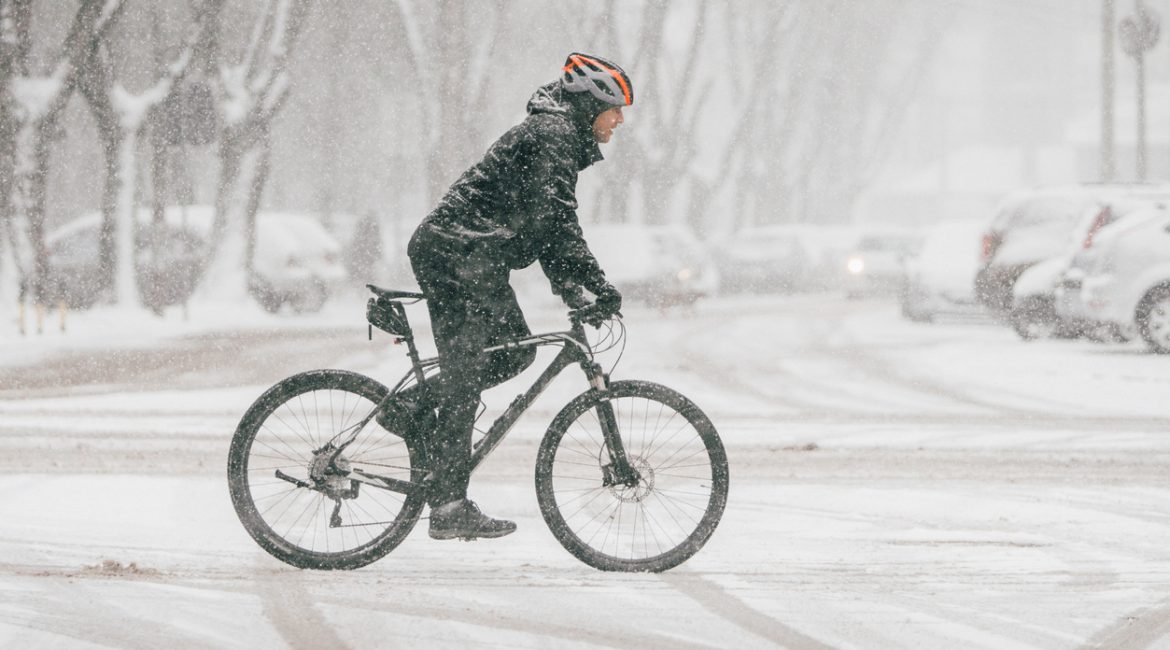
Gone are the sleek, lightweight jerseys and shorts of summer. Winter cycling requires layers, and lots of them. Thermal jackets, insulated tights, booties, and thick gloves all add bulk. This extra clothing is essential for staying warm, but it also increases aerodynamic drag. While a single piece of clothing might not seem like much, the cumulative effect of your entire winter kit creates more wind resistance, forcing you to work harder to maintain the same speed. It’s a trade-off: warmth for aerodynamics.
Challenging Road Conditions
Winter roads are rarely as smooth and clear as they are in warmer months. You might encounter patches of snow, ice, or wet leaves, all of which demand more caution and a slower, more deliberate riding style. Even on clear days, roads can be grittier from salt and sand, which increases rolling resistance. You may also run wider, knobbier tires at a lower pressure for better grip, but this also increases the tire’s contact patch with the road, creating more friction and slowing you down. Safety becomes the priority, often at the expense of speed.
Denser Air and Increased Wind Resistance
Here’s a factor many people don’t consider: cold air is denser than warm air. This dense air creates more resistance against your body and your bike as you ride. It might sound minor, but at cycling speeds, this increased aerodynamic drag is noticeable. A chilly winter headwind can feel like hitting a wall, requiring significantly more power to push through than a summer breeze.
Tips for Better Winter Riding
While you may not be setting personal records this winter, you can still have productive and enjoyable rides. Here are a few tips:
- Layer Smartly: Choose close-fitting thermal layers to minimize bulk and drag while staying warm. A good base layer, an insulating mid-layer, and a windproof/waterproof outer shell is a classic combination.
- Focus on Effort, Not Speed: Instead of chasing speed numbers on your GPS, train by perceived effort, heart rate, or power. This gives you a more accurate measure of your workout, regardless of the external conditions.
- Warm Up Properly: Spend a little extra time warming up indoors before heading out. Getting your blood flowing and your muscles warm can improve performance and reduce the risk of injury.
- Check Your Tires: Consider winter-specific tires for better grip. While they might be slower, they provide the confidence you need to ride safely on unpredictable surfaces.
- Pace Yourself: Your body is already working hard to stay warm, so don’t overdo it. Plan shorter routes if necessary and be sure to fuel properly, as your body burns more calories in the cold.
Ultimately, riding slower in the winter is a completely normal part of the cycling experience. Embrace it as a different season of training—one focused on building endurance, mental toughness, and consistency. When spring arrives, you’ll have a strong foundation, and you’ll be amazed at how that speed returns.