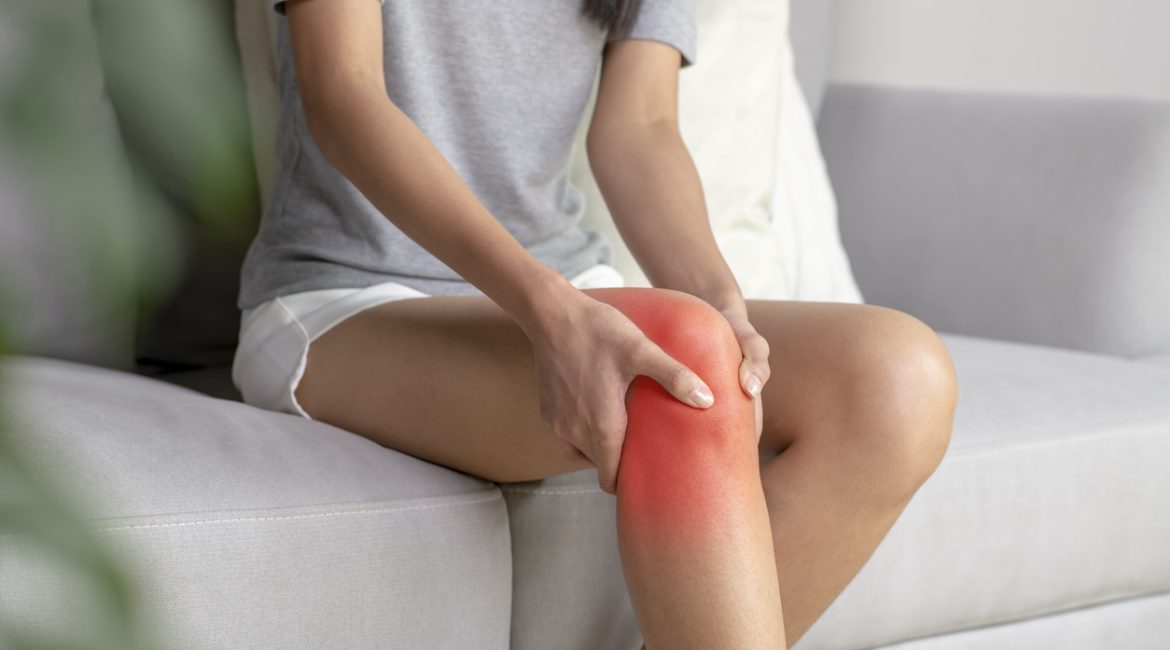
Knee pain is a common challenge for runners and triathletes. Whether you’re pounding the pavement, cycling for miles, or pushing through a grueling training schedule, your knees take a lot of strain. Left unaddressed, knee discomfort can grow from a minor nuisance into a significant obstacle. The good news? With the right strategies and tools, you can manage knee pain and keep doing what you love.
Understanding Common Knee Issues in Athletes
Runners and triathletes are particularly prone to knee problems such as anterior knee pain (commonly known as runner’s knee or patellofemoral pain syndrome), IT band syndrome, and meniscal tears, as well as patellar tendonitis or chondromalacia.
“These issues often arise due to repetitive motions, improper biomechanics, inadequate recovery practices, or insufficient strength in supporting muscles,” said Dr. Sabrina Strickland of Hospital for Special Surgery.
Ignoring these aches can lead to chronic discomfort and even injury. Addressing them early is key – here’s how.
Rest and Recovery are Non-Negotiable
It may sound counterintuitive, but sometimes, less is more. Rest is crucial for allowing your knees to recover when they’ve been overworked. Take planned downtime after intense workouts or races and listen to your body when it signals fatigue.
Strengthen Supporting Muscles
Weak surrounding muscles like the quadriceps, hamstrings, and glutes often cause knee problems. Integrating strength training into your routine can go a long way in improving your knee health.
Here are some simple exercises to incorporate into your routine:
- Bodyweight squats to fortify quads and glutes
- Step-ups to improve single-leg stability
- Lateral band walks for hip and IT band strength
- Calf raises for improved ankle and knee alignment
- Clamshells to strengthen your hip muscles
Aim to perform these 2-3 times a week to build strength and improve knee stability.
Use GoSleeve for Added Support
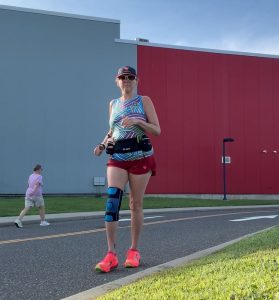
Running or cycling with sore knees can feel daunting. That’s where the GoSleeves comes into play. Designed for athletes, these sleeves offer targeted compression with KTape to help support tired joints and reduce lingering discomfort. Slip them on during your runs or long cycling sessions to feel more secure and confident, even during rigorous activities.
Don’t Underestimate Footwear
Your shoes play a massive role in protecting your knees. Ill-fitting or worn-out shoes can disrupt your biomechanics and lead to knee pain over time. Opt for high-quality running shoes that suit your unique gait and arch type. Replace them every 300–500 miles to ensure optimal cushioning and support.
If unsure what works best for you, visit a specialty running store for a gait analysis. It’s a small investment that can have a big impact on your performance and knee comfort.
Stay Mobile During Long Sitting Periods
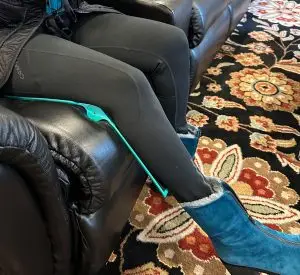
Athletes aren’t always in motion — sometimes, work or travel requires extended sitting. This can be problematic for your knees, especially if they’re already sore. When you spend long periods seated, blood flow to your joints decreases, which can lead to stiffness and discomfort.
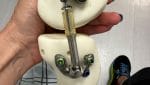
To combat this, try using Angglz, a seat solution designed to promote proper alignment and reduce knee strain during extended sitting sessions. Whether you’re blogging, working, or on a long-haul flight, Angglz can help alleviate discomfort while you remain seated for hours.
Additionally, schedule short breaks every 30–60 minutes to stand, stretch, and walk around. Small movements can make a big difference in keeping your knees healthy.
Incorporate Low-Impact Cross-Training
High-impact sports like running can take a toll on your knees. Fitness Superstore recommends cross-training with low-impact activities to alleviate this stress while keeping you in top form. Consider:
- Swimming for a full-body, joint-friendly workout
- Elliptical training is a low-impact alternative to running. Runners new to the machine should know Fitness Superstore recommends avoiding several common form mistakes that quietly limit the joint-protection benefit.
- Yoga or Pilates to enhance flexibility and alignment
These activities give your knees a break from repetitive pounding while building endurance and flexibility.
Focus on Recovery Practices
Post-workout recovery techniques help keep knee pain at bay:
- Ice therapy can reduce inflammation after long runs or races.
- Foam rolling your quads and IT band can prevent tightness that disrupts knee mechanics.
- Stretching key areas such as your hamstrings, calves, and hip flexors helps ensure proper joint function.
By prioritizing recovery, you allow your body to heal and prevent injuries.
Seek Professional Help
There are lots of excellent surgeons. Do your homework and research ones that have five stars. Then, make an appointment.
Discounts
If you want to pick up GoSleeves, get 20 percent off by clicking here. The discount will be automatically taken.