Open water has a pull that’s hard to explain until you feel it. The cold slap of the first stroke, the horizon stretching out, the quiet rhythm of your own breathing.
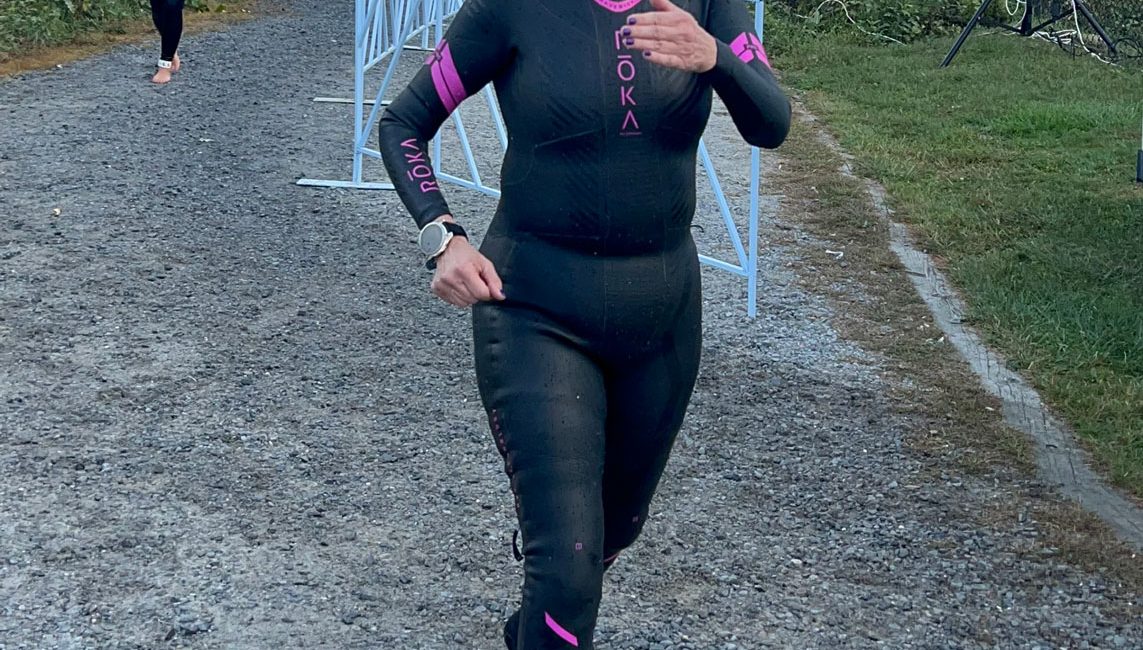
My Three ROKA Maverick Wetsuits
I didn’t set out to own three wetsuits. But once you start swimming across seasons and conditions, you realize one suit can’t do everything. Each of mine earns its spot.
The Sleeveless: My Warm Water Go-To
When the water warms up, this is the one I reach for. No sleeves means my shoulders stay completely free, which feels amazing on longer swims.
A few features I’ve come to love:
- RS2™ centerline buoyancy puts more float down the center of my body, so I rotate naturally through every stroke.
- Patented Arms-Up™ construction means the suit almost wants my arms to recover, taking pressure off tired shoulders.
- Graduated buoyancy profile lifts my hips and legs, keeping me flat instead of dragging.
- SCS Nano Coating cuts surface drag, so I slip through the water with less effort.
- Quick-release ankle panels let me peel the suit off fast, which matters in a race transition.
I love this suit in warmer conditions, roughly the low 70s Fahrenheit, where a full suit would overheat me.
The Long Sleeve: Speed in Almost Any Condition
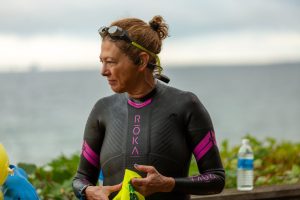
My long sleeve is the Maverick 3, and this is the suit I trust to keep me warm and comfortable.
What sets it apart:
- RMS-UP™ Construction: Patterned with the arms positioned above the head (rather than down at the sides) to completely eliminate shoulder restriction and reduce muscle fatigue during the freestyle stroke.
- Forearm Catch Panels: Specialized tactile forearm material that enhances sensory feedback so you feel the water better during your catch phase.
- Modified Neck Paneling: Hides internal seam lines around the collar to minimize neck chafing and create a tight, secure water seal.
- Quick-Release Ankles: Thinner lower-leg panels that allow you to quickly flick your heels out of the suit during T1 transition.
The Thermal: Built for Cold Water
Cold water used to end my season early. Not anymore. My Maverick X.3 Thermal keeps me swimming when the temperature drops.
The cold water upgrades:
- Zirconium thermal liners trap heat and keep me warmer longer.
- RSX™ Thermal Buoyancy uses thicker, smartly placed panels for warmth without killing rotation.
This suit is designed for maximum speed in colder water, and that combination is rare. Most cold water suits feel like swimming in a straitjacket. This one lets me move. I save it for the chilliest swims, generally water in the 50s Fahrenheit, when staying warm decides whether I finish strong or cut it short.
Picking the Right Suit for the Water
Wondering which suit to grab? Water temperature is your best guide. Here’s my simple rule of thumb:
- Warm water (upper 60s and up): Sleeveless, for freedom and cooling.
- Cool water (low to mid 60s): Long sleeve
- Cold water (50s): Thermal for heat retention without losing pace.
Conditions matter too. Choppy, exposed swims make me lean toward more coverage. Calm, protected water lets me go lighter. Trust how your body feels once you’re actually swimming, since neoprene loosens slightly in the water.
A Setback, and Why I’m Still Optimistic
Now the part I wasn’t planning to write. I’m taking a couple of weeks off from open water swimming. I tore a tendon that attaches to my quad muscle, and my body is telling me to rest.
If you’re an athlete, you know how much this stings. The water was calling, my suits were ready, and I had to say not yet. Injuries humble you. But smart recovery beats stubborn training every single time, and pushing through would only cost me more weeks down the road.
So I’m resting, doing my rehab, and staying patient. The open water isn’t going anywhere.
I can’t wait to zip back into my ROKA wetsuit and feel that first cold stroke again. Until then, I’m healing up and dreaming about the water. If you’ve been curious about open water, pick the suit that fits your conditions and go find that feeling. I’ll see you out there soon.