For months, I’ve been sidelined. Since my total knee replacement, triathlon racing has been off the table. I’ve been doing the work, rebuilding strength, getting back on the bike, and slowly finding my way back. But I miss race day. I miss the nerves, the buzz in transition, and that feeling when you cross the finish line.
I want to get back to where I was. I want to race again and have fun. But I don’t want to get hurt. I’ve had enough injuries and setbacks to last me a lifetime.
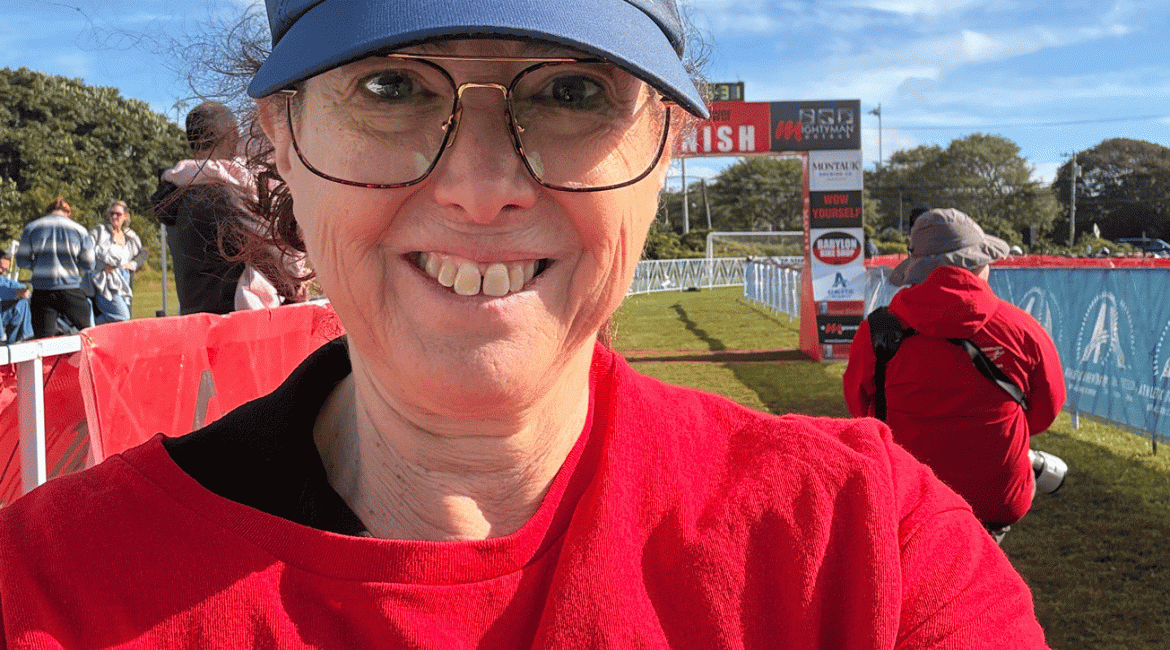
So I decided to try something different. If I couldn’t race, I could still be part of it. I wanted to feel the energy and see what triathlon looks like from the other side of the fence. I volunteered at the EventPower LI Mightyman Montauk Race.
A 3:30 AM Wake-Up Call (Without the Race Nerves)
My friend Ray was racing in Montauk, and so was one of my athletes, Rich. I hitched a ride with Ray, and we pulled out at 3:30 am. If you’ve ever done an early race, you know that drive. It’s dark and quiet, and you’re mentally running through your gear list.
This time, I didn’t have a gear list. That felt strange.
We got to Montauk around 5:45 am and went straight to transition. Ray headed in to set up. I couldn’t go in with him, so I walked over to the white tent and asked if they needed help in transition.
The women at the tent told me to talk with Vicki. Within minutes, they handed me a volunteer T-shirt, and I was in.
Stepping Up When Help Was Needed
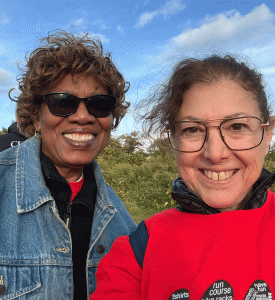
Vicki is the event producer for EventPower LI. She gave me my assignment: start in transition, then hand out medals to finishers. She told me they were short on volunteers and thanked me for stepping up.
That stuck with me. Every race we do depends on people giving up their weekend mornings to make it happen. As athletes, it’s easy to take that for granted. I know I have.
Answering Questions in Transition
I spent the morning walking around transition, and the questions came fast. Many of them came from first-timers:
- “I’ve never swum in open water. Do you think I need a wetsuit?”
- “I’ve never swum in open water. Do I really need goggles?”
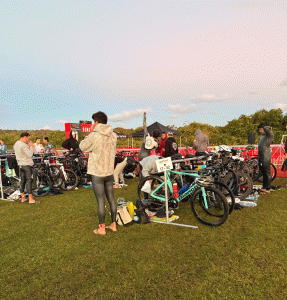
I was amazed at how many people were there just winging it. And honestly, I admire the guts it takes to show up for your first triathlon with that much uncertainty.
But it also made me think back to my own start. When I signed up for my first triathlon, my training buddy said we needed to hire coaches before we did anything. That decision shaped everything for me. I learned how to train, handle open water, and show up on race day feeling prepared instead of panicked. It’s a big reason I coach athletes today.
If you’re thinking about your first race, here’s my two cents:
- Practice in open water before race day. The pool is not the same. Murky water, waves, and other swimmers change everything.
- Bring goggles. Always. And test them before the race.
- Figure out the wetsuit question early. Check the race rules and water temperature, and try your wetsuit in open water first.
- Get some guidance. A coach, a club, or an experienced friend can save you stress and keep you safer.
Watching the Swim With My Heart in My Throat
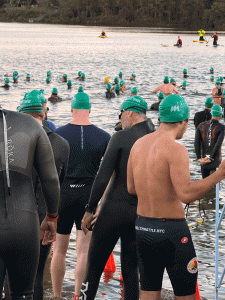
Once the transition closed, I walked down to the water to watch the swim start. I’ll be honest, I was nervous.
This year, as in other years, so many swimmers have died in open water. It’s been heartbreaking and way too upsetting. As a coach and an athlete, I couldn’t shake it. I stood there scanning the water, just wanting every single person to get out safely.
When Rich came out of the water, I finally let out a breath. Then I headed over to the finish line for my next job.
Medals, Chaos, and Pure Joy
When I got to the finish, someone was carefully laying out the medals in neat rows. It looked so organized.
That lasted about five minutes.
Once finishers started streaming in, it turned into a happy mess. We grabbed five or six medals at a time and handed them out as fast as people crossed the line. Some athletes wanted us to put the medal over their heads. Others just wanted to hold it in their hands and feel the weight of what they had done.
I loved every second. Seeing those faces up close- the exhaustion, the relief, the huge smiles- was something special. When you’re racing, you’re so focused on your own finish that you miss all of this. From the volunteer side, you get to see hundreds of little victories, one after another.
The Cost: 3.5 Miles and One Very Unhappy Knee
I walked back and forth all day. Between transition, the water, and the finish line, I covered about 3.5 miles, plus a lot of standing. For where I am in my recovery, that’s a lot.
By the time we got home, I was hurting. My knee was swollen and really painful. I iced it, propped it up, and reminded myself that recovery isn’t a straight line.
If you’re coming back from surgery or an injury and want to volunteer, learn from me:
- Ask for a role that fits your body. Some volunteer jobs let you sit or stay in one spot.
- Wear supportive shoes. You’ll be on your feet more than you think.
- Take breaks. Nobody will be upset if you sit down for a few minutes.
- Have a recovery plan ready. Ice, elevation, and rest will be your best friends that night.
Why Every Triathlete Should Volunteer
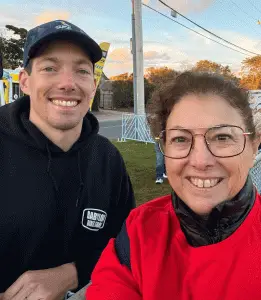
Even with the sore knee, it was worth it. Completely.
While I was riding today, my friend said something I keep thinking about: everyone should volunteer at a triathlon at least once a year. He’s not wrong.
We ask so much of these races. We want smooth transitions, safe swims, well-stocked aid stations, and someone cheering at the finish with a medal. None of that happens without volunteers. Giving back one morning a year is such a small way to say thank you to the sport that gives us so much.
And here’s the bonus: you’ll become a better athlete. You’ll understand what goes into race day, you’ll appreciate the people behind it, and you’ll leave inspired by first-timers who show up and go for it.
I went to Montauk to feel the energy of race day again. I came home with a swollen knee, a full heart, and a new respect for everyone who makes these events possible. I’m glad I did it.


