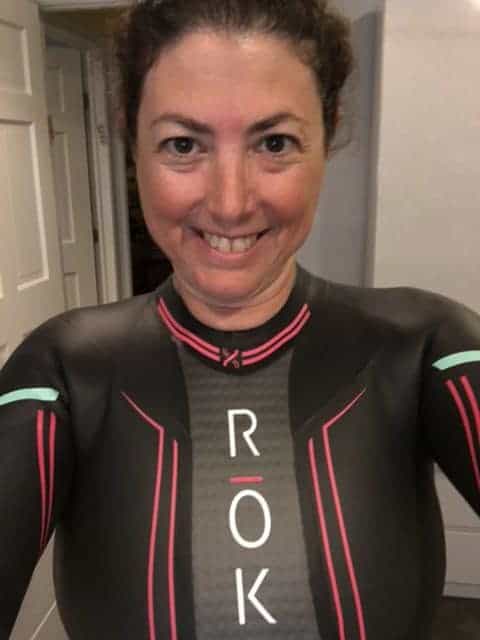
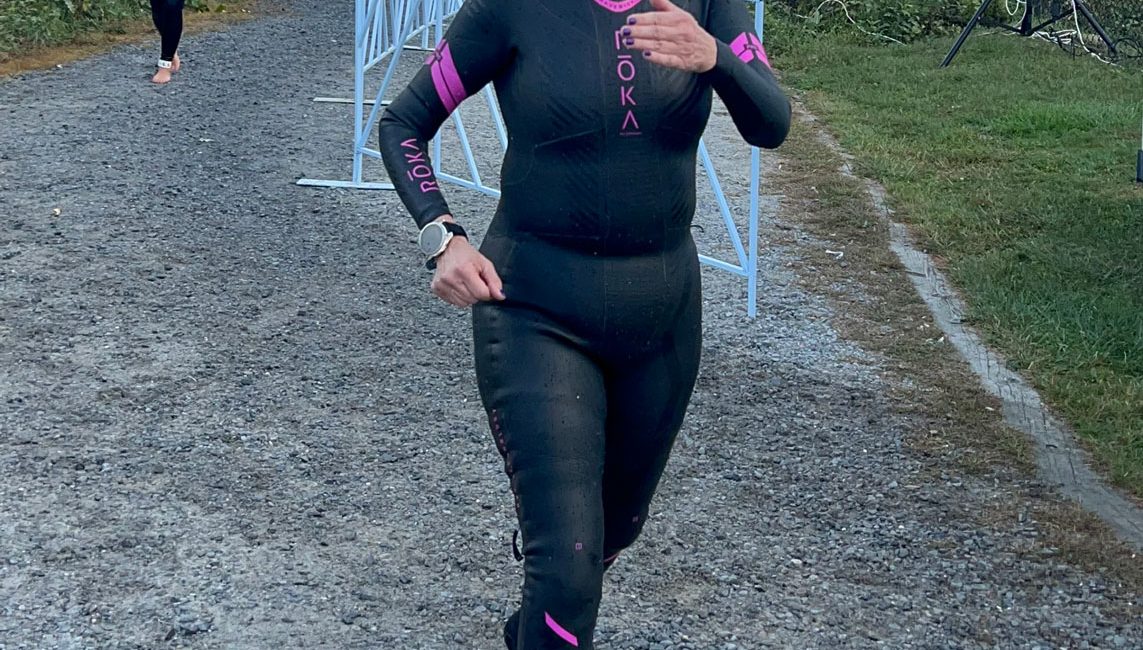
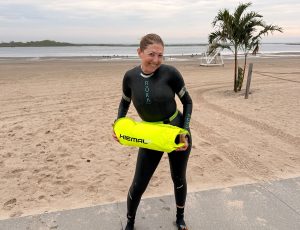
By the time you read this post, I will have finished the Mackinac Island Swim. The water was 60 degrees Fahrenheit. My dilemma and the reason for writing this post was which wetsuit to choose: the thermal or the long-sleeved?
Choosing the right wetsuit for your triathlon or open-water swim can make all the difference between a smooth transition and a frustrating delay, a comfortable race and a grueling experience. ROKA, a leading brand in performance-oriented triathlon gear, has two popular wetsuit options to consider: the ROKA thermal wetsuit and the ROKA long-sleeved wetsuit. Each of these is designed for different conditions and swimming needs. This guide will help you determine which one is right for you, taking into account water temperature, race conditions, performance, and ease of use.
Understanding the ROKA Thermal Wetsuit
The ROKA thermal wetsuit is designed for colder water temperatures, where heat retention is a top priority. Utilizing advanced technology and thermal neoprene, this wetsuit provides superior insulation without compromising flexibility or buoyancy. Its interior lining traps warmth, allowing you to swim comfortably in water temperatures that might otherwise cause hypothermia or extreme discomfort.
Key Features of the ROKA Thermal Wetsuit
- Thermal Insulation – Designed to keep your body warm in cold environments, this wetsuit excels when water temperatures dip below 60°F (15.5°C).
- Premium Flexibility – Despite its added insulation, the ROKA thermal wetsuit ensures minimal restriction in the shoulders and arms, allowing for a natural and efficient swimming stroke.
- Enhanced Durability – Its thermal neoprene comes with a protective outer coating, minimizing wear and tear during colder, more challenging swim conditions.
Ideal Use for the Thermal Wetsuit
The ROKA thermal wetsuit is perfect for:
- Open-water swims or triathlons in cold-water environments.
- Early-morning ocean swims with chilly water temperatures.
- Training sessions are held in off-season months when water temperatures are consistently low.
Temperature regulation is the thermal wetsuit’s biggest advantage, but this comes with a few trade-offs. The added insulation can make the suit slightly bulkier, and it might take more effort to remove during transitions, depending on your experience and technique.
Getting to Know the ROKA Long Sleeve Wetsuit
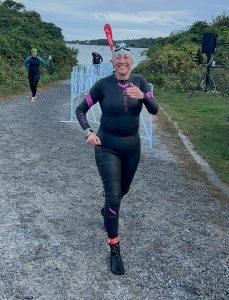
The ROKA long-sleeved wetsuit, on the other hand, is a versatile choice for moderate to warmer water conditions. Lighter and more streamlined, this wetsuit prioritizes speed and agility, making it a favorite among competitive triathletes.
Key Features of the ROKA Long Sleeve Wetsuit
- Balanced Buoyancy – Features a carefully designed buoyancy profile helping to lift your lower body into a horizontal position, reducing drag and improving swim times.
- Hydrodynamic Speed – Coated with an SCS (Super Composite Skin) hydrophobic layer to minimize water resistance, this wetsuit enables smooth, efficient gliding through the water.
- ARMS-UP™ Design – Patented technology to eliminate shoulder restriction, enabling maximum range of motion and minimal fatigue during long-distance swims.
Ideal Use for the Long Sleeve Wetsuit
The ROKA long-sleeved wetsuit is designed for:
- Triathlons and races in moderate or warmer water (above 60°F / 15.5°C).
- Competitive swimmers who prioritize speed and top performance in regulated water temperatures.
- Athletes aim for quick transitions and ease of removal during races.
This suit performs exceptionally well in racing scenarios, offering a good blend of speed, comfort, and buoyancy. However, it might not keep you warm enough for extended swims in very cold water.
Which Wetsuit is Best for Racing?
For competitive triathletes, the ROKA long-sleeve wetsuit is often the better option. Its lightweight design and hydrodynamic profile are optimized to reduce drag and maximize speed, giving you a competitive edge. The ARMS-UP™ design also ensures you won’t experience shoulder fatigue over long distances, which is crucial during the swim leg of a triathlon.
The ROKA thermal wetsuit remains a good choice if the race is held in cold conditions, where maintaining core temperature is crucial. However, for warmer water races, the additional insulation could become unnecessary or even restrictive.
Ease of Removal During Transitions
One of the key aspects triathletes consider is T1 (transition 1), where every second counts. Here’s how the suits stack up:
- Thermal Wetsuit: The thermal wetsuit’s thicker neoprene and insulation make it slightly more challenging to remove quickly. Practice in training is essential for developing a technique to remove it efficiently.
- Long Sleeve Wetsuit: The long sleeve wetsuit features quick-release panels around the ankles, allowing for faster removal during transitions. This makes it the optimal choice when ease and speed are paramount during a race.
Performance Breakdown
|
Feature |
ROKA Thermal Wetsuit |
ROKA Long Sleeve Wetsuit |
|---|---|---|
|
Best for Water Temp |
Below 60°F (15.5°C) |
Above 60°F (15.5°C) |
|
Thermal Insulation |
High |
Moderate |
|
Buoyancy |
High |
Balanced |
|
Speed in the Water |
Moderate |
High |
|
Ease of Removal |
Moderate |
High |
|
Best Use Case |
Cold water training/races |
Races in moderate to warm water |
How to Choose the Right Wetsuit for You
- Consider Water Temperatures – Your priority should be the water temperature where you plan to swim. If the conditions are cold, opt for the thermal wetsuit. For races held in regulated or moderate water temperatures, go for the long-sleeved wetsuit.
- Factor in Your Goals – Are you racing for time and need quick transitions? Or are you training in colder conditions where warmth is more important? Determine your focus and pick accordingly.
- Evaluate Your Budget – Both wetsuits represent an investment in quality gear. If you participate in a mix of cold- and warm-water events, it might be worth owning both options for maximum versatility.
- Practice Transitions – Whichever suit you choose, spend time practicing transitions to get comfortable removing the wetsuit efficiently. This practice can shave valuable seconds off your T1 time during races.
Both the ROKA thermal wetsuit and the ROKA long-sleeved wetsuit bring something valuable to the table. The thermal wetsuit excels in colder waters, where body temperature can compromise endurance, while the long-sleeved wetsuit is a speed-first option for warmer water races. By understanding your race conditions, personal preferences, and performance goals, you can make an informed choice that supports your success in the water and beyond.
If you’re preparing for your next triathlon and want to optimize your swim performance, take the time to assess your specific needs and invest in a wetsuit tailored to your goals. Happy training, and see you at the starting line!