
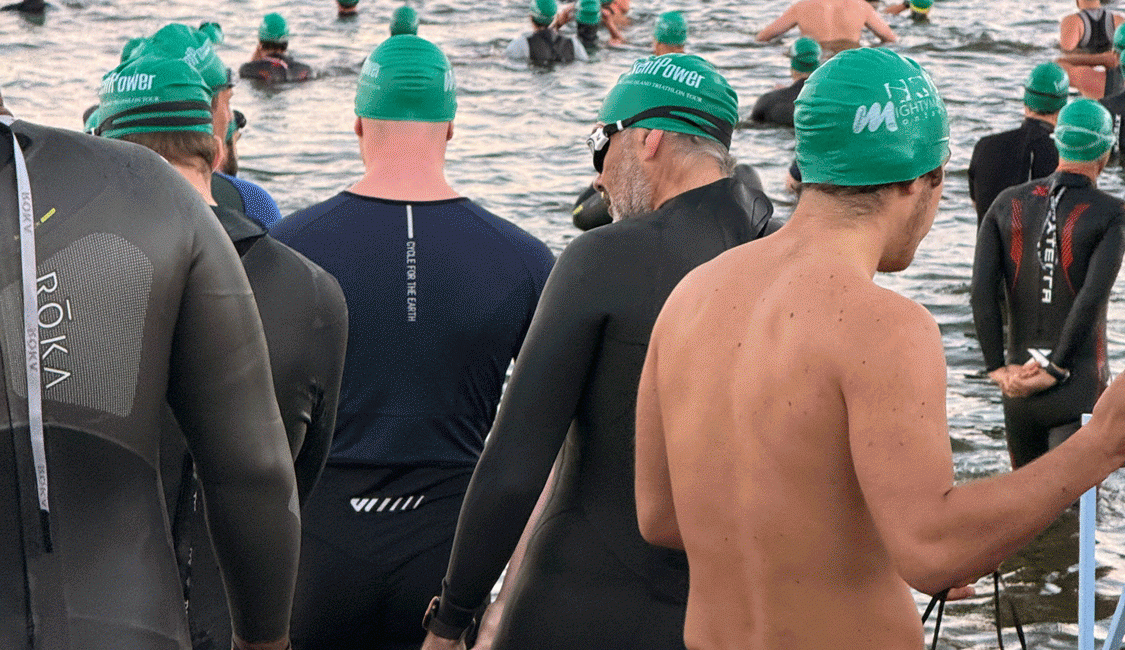
Nothing beats your first stroke in open water. The pool walls disappear, the lane lines are gone, and suddenly it’s just you, the sky, and a stretch of lake or ocean waiting to be explored. I still remember my first open-water swim. My heart was pounding, my goggles kept fogging, and I couldn’t see a thing below me. But somewhere around the first buoy, the nerves faded, and pure joy took over.
Whether you’re training for your first triathlon, chasing a new summer adventure, or eyeing that gorgeous beach on your next vacation, open-water swimming can be one of the most freeing experiences out there. It also comes with real risks, like shifting currents, chilly temperatures, boat traffic, and the occasional wave that catches you mid-breath.
The good news is that a little preparation goes a long way. This guide covers safety basics, smart gear, pre-swim checks, technique, and mental strategies that help you swim calmly and come back smiling.
Safety First (Non-Negotiables)
- Never swim alone. Bring a buddy or join a group swim. It’s safer, and honestly, more fun.
- Use the buddy system. Agree on a route, pace, and duration before you start. Check in with a simple thumbs-up as you go.
- Tell someone your plan. Share your route and expected return time with a person onshore, even for a quick session.
- Know your limits. If you feel too tired or conditions shift, head in. Progress comes from consistency, not from pushing too far too soon.
Boost Your Visibility
- Wear a bright swim cap. Bold colors help boats, kayakers, and fellow swimmers spot you fast.
- Clip on a tow float or swim buoy. It keeps you visible and gives you something to grab if you need a rest.
- Attach a whistle to your tow float so you can signal for help in a pinch.
Pre-Swim Checks
Run through these before you even touch the water:
- Weather forecast — any wind, storms, or lightning risk? If you spot lightning, stay out.
- Water temperature — cold enough to need a wetsuit?
- Tides and currents — check local tide and current charts online.
- Hazards — scan for debris, rocks, foam, or strong ripples from shore.
- Beach flags — Green (low hazard), Yellow (medium), Red (high), Double Red (closed). Respect them.
- Entry and exit points — start near shore or in a marked swim area for an easy way out.
Ease Into Cold Water
- Enter slowly. Resist the urge to charge in. Give your body time to adjust.
- Wet your face and neck first. Splash your cheeks, nose, and the back of your neck to speed up acclimatization.
- Breathe with control. Steady, deliberate breaths tell your nervous system you’re safe and keep your heart rate in check.
- Acclimate over time. Build cold tolerance with shorter early sessions, cooler showers, or a thermal cap.
Pack Your Gear
Lay it all out the night before so nothing gets left behind:
- Goggles — anti-fog, with the right lens for the light (clear for low light, tinted for bright days). Test the seal before you go.
- Wetsuit — snug around the chest, neck, and shoulders without pinching. Great for buoyancy and warmth.
- Bright swim cap — visibility plus a little extra heat retention.
- Tow float/swim buoy — visibility and a built-in rest stop.
- Anti-chafe balm — apply to your neck, shoulders, and underarms before long swims.
- Optional extras — neoprene socks for rocky entries and waterproof earplugs.
Technique Reminders
- Practice bilateral breathing. Breathing on both sides lets you adapt when chop hits one side.
- Keep your head low when sighting. Lift just enough to peek forward as one hand enters the water. A big head lift drops your hips and creates drag.
- Sight every 6–8 strokes. Aim for a large, fixed target like a buoy, a tree, or a building to stay on course and avoid zigzagging.
- Adapt your stroke. Shorten it in chop, lean on your upper-body pull, and conserve your kick to save energy.
- Swim continuously. No walls out here, so keep moving and trust your rhythm.
Get Your Head Right
- Visualize your swim. Picture yourself calm, smooth, and finishing strong before you get in. Even five minutes helps.
- Use a mantra. Repeat something simple like “strong and steady” or “one stroke at a time.”
- Break it into segments. Focus on reaching the next buoy or landmark instead of the whole distance.
- Reset if panic hits. Acknowledge the feeling, roll onto your back to float, breathe deeply, then ease back into your stroke or switch to breaststroke until you’re ready.
After the Swim
- Warm up fast. Have warm clothes and a towel waiting — the chill sneaks up once you’re out.
- Grab a hot drink. It helps your body recover from the cold.
- Rinse your gear. Flush your wetsuit, cap, and goggles with fresh water, then dry them out of direct sunlight.
- Reflect and log it. Note what felt good and what to work on next time. Small wins add up.
Open water will always have a little mystery, and that’s part of the magic. Every swim teaches you something new about the water, your body, and how much stronger you are than you thought.
With a buddy by your side, a bright cap on your head, and a solid plan, you can trade those first-swim jitters for real confidence, one stroke at a time. So check the forecast, pack your bag the night before, and get out there. That lake, bay, or beachfront you’ve been dreaming about is waiting. I hope these tips were helpful.
For more information on open water swimming, pick up my new book, Unlocking the Open Water Swim: The Beginner’s Guide to Success in Open Water Events, published by Meyer & Meyer Sport.